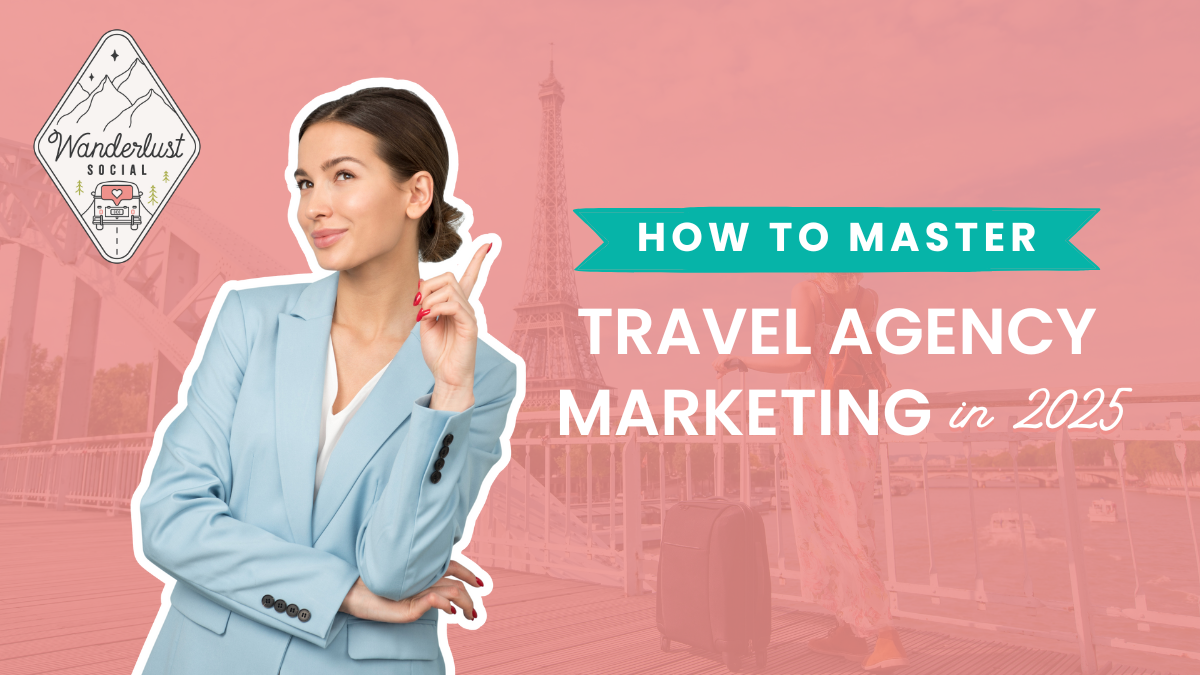
Are you feeling like your marketing efforts just aren’t working the way they used to? If you’re still waiting on referrals and relying solely on organic reach, it’s time to rethink your travel agency marketing strategy. The space is shifting fast, and the truth is, what worked in 2022 or 2023 may no longer bring the same results in 2025.
In this blog, we’ll explore why organic marketing is losing traction, how paid ads can give you leads on demand, and what a well-rounded marketing plan looks like for today’s top-performing travel agents.
The Decline of Organic Reach
If you’ve been banking on social posts, email newsletters, and blog content to bring in new clients, you’ve probably noticed that your reach is lower and engagement is down. You’re not alone. The oversaturation of content across platforms means your organic marketing can easily become “white noise.” While organic marketing (e.g., Instagram posts, blogs, and email newsletters) still has its place, it’s no longer enough by itself. In 2025, travel agency marketing demands a more strategic and layered approach.
Understanding the Three Marketing Channels
1. Organic Marketing
This includes all your unpaid efforts:
- Social media content
- Blog posts
- Email marketing
Organic marketing still plays a huge role in building brand awareness and nurturing trust, especially with warm audiences who already know you. These channels can help tell your story, establish your expertise, and create long-term visibility. However, they require significantly more time, energy, and creativity to be effective in today’s crowded digital space. With nearly every travel advisor posting similar content, it becomes increasingly difficult to break through the noise and capture attention without a strategy
2. Community Marketing
This is about building real connections and fostering a sense of belonging among your audience:
- Facebook groups where travelers can ask questions, share experiences, and build community
- Local meetups or destination-themed events that provide face-to-face interaction
- Live streams where you discuss travel trends, answer questions, or share tips in real-time
- Group chats or email communities that keep the conversation going between trips
These spaces foster trust and familiarity by allowing potential clients to get to know you on a more personal level. They also encourage engagement and deepen loyalty, making it more likely that members will book with you or refer your services. However, this level of relationship-building takes consistency, intentionality, and time to cultivate authentically.
3. Paid Marketing
This is where most travel advisors hesitate, but it’s where the real growth happens:
- Paid ads on Meta (Facebook/Instagram) to generate brand awareness and direct inquiries
- Google ads that capture high-intent search traffic from potential travelers ready to book
- YouTube ads that showcase your expertise, story, and destinations visually
- Funnel-based marketing systems that nurture leads step-by-step toward a sale
- Retargeting strategies that re-engage people who have shown interest but haven’t booked yet
Paid marketing not only helps you scale beyond your current audience, it allows you to reach cold leads, build trust through strategic follow-ups, and convert interest into action. If done right, paid marketing delivers leads on demand, shortens your sales cycle, and scales your business faster than anything else. It’s an important ingredient for sustainable growth in 2025 and beyond.
Why a Multifaceted Marketing Plan is Non-Negotiable
Here’s the deal: you cannot put all your marketing eggs in one basket. The most successful agents are showing up consistently across multiple platforms, using both free and paid strategies to reach a wider audience, generate qualified leads, and convert interest into bookings.
An effective travel agency marketing plan in 2025 should include:
- Organic content to stay visible and share your brand story
- Paid ads to attract cold leads and drive traffic on demand
- Community building to nurture trust and foster loyalty
- Referral systems to convert loyal clients into active brand ambassadors
When these components work together seamlessly, you create a marketing plan that works around the clock, amplifying your reach, saving you time, and setting your business up for long-term growth and scalability.
The Power (and Challenges) of Paid Ads
Paid marketing often scares people off because it feels like gambling. But when done correctly, it’s a data-driven investment, not a guessing game. Paid advertising lets you proactively put your offer in front of people who may not know your business exists, creating opportunities you wouldn’t get by waiting for referrals or hoping someone finds your post.
To make paid marketing work, you need:
- A clear niche and audience so your message reaches the right people
- Strong messaging that resonates with their specific travel goals or pain points
- A funnel that guides people from click to client with logical next steps
- A conversion system that closes the sale efficiently and reliably
If you’re missing even one of those pieces, your ad budget could be wasted. That’s why strategy is so important, and why jumping into ads without a clear roadmap can feel frustrating or risky.
Pro tip: Successful travel agencies are investing anywhere from $1,500–$4,000 per month on paid marketing (including ad spend and expert support). Don’t let that number intimidate you. You can start with a smaller test budget to gather data, refine your approach, and scale gradually as you discover what converts best for your agency.
What Top Agents Are Doing (and How to Get There)
The most profitable travel agents aren’t relying on referrals or hoping to go viral. They’re:
- Running a balanced mix of organic and paid campaigns
- Using automated funnels and email sequences
- Creating engaging, lifestyle-based social content
- Hosting live videos and educational webinars
- Leveraging their client database for referrals
They’ve built visibility, authority, and consistency — and it’s paying off. But they didn’t do it alone. While learning all of this on your own is possible, it often comes with a steep learning curve. Mistakes in ad setup, targeting, or messaging can be costly and frustrating.
That’s why many travel professionals choose to work with marketing coaches, ad specialists, or educational programs to fast-track their success. Wanderlust Campus, for example, brings together experts in Google, Meta, YouTube, funnels, and copywriting. They don’t expect agents to be marketers, they teach proven systems and give you tools to implement with clarity and confidence.
If you’re considering working with an expert, here’s what to expect:
- Expert fee: $2,000+/month
- Ad spend: $1,500–$2,000/month
While that can sound like a lot, remember: you’re building a system that can generate leads consistently and operate while you focus on serving clients. The return on investment grows over time, especially when your messaging, funnel, and conversion strategy are all aligned and optimized.
The Role of Automation
Once you build your travel agency marketing plan, automation is your best friend. With the right systems in place, your content, lead generation, nurturing, and follow-up can run in the background.
This frees you up to:
- Focus on client experience
- Travel more (and use it as content!)
- Do sales calls without burnout
- Grow your agency on your own terms
Where to Start Today
If you’re unsure how to pivot, here’s your quick action list to build momentum and move in the right direction:
- Audit your current marketing strategy: What’s working, what’s not, and where are the gaps?
- Identify where your best leads are coming from: Double down on those channels while exploring new ones.
- Create a small budget to test paid ads: Even $200-$300 can give you valuable data to refine your approach.
- Learn basic funnel setup (or hire a pro): A simple email sequence or landing page can make all the difference in capturing leads.
- Build a referral program or community asset: Leverage your happiest clients and build spaces where your brand can grow organically.
Remember, you don’t have to do everything at once. But staying stuck in old strategies won’t move you forward. Choose one action to start this week and build from there.
Putting It All Together
Travel agency marketing in 2025 isn’t about doing more. It’s about doing what works; smarter, faster, and more intentionally. You need a plan that includes organic visibility, community connection, and paid advertising. With the right tools and mindset, your travel business can grow beyond referrals and random inquiries. You can create consistent leads, stronger authority, and the freedom to focus on what you love.
Need more support? Wanderlust Campus offers certification programs that combine travel training with real-world marketing strategy, automation, and tech setup. Learn more at Wanderlust Social!
WATCH MORE HERE